Custom Outdoor Designs with El Cajon Top Hardscaping
Enhance Your Outdoor Environment: Professional Landscaping Advice for a Beautiful Residential Garden
Turning an outdoor space into a beautiful residential landscape requires thoughtful strategy and intentional execution. By evaluating the features of a property, residents can establish specific landscaping goals. Selecting vegetation that match the local climate is essential. Furthermore, incorporating practical landscape features improves both aesthetic value and usability. Yet, the undertaking won't conclude there. Finding ways to maintain beauty and sustainability can take any landscape higher. What methods guarantee lasting results?
Evaluate Your Outdoor Area to Establish Your Garden Objectives
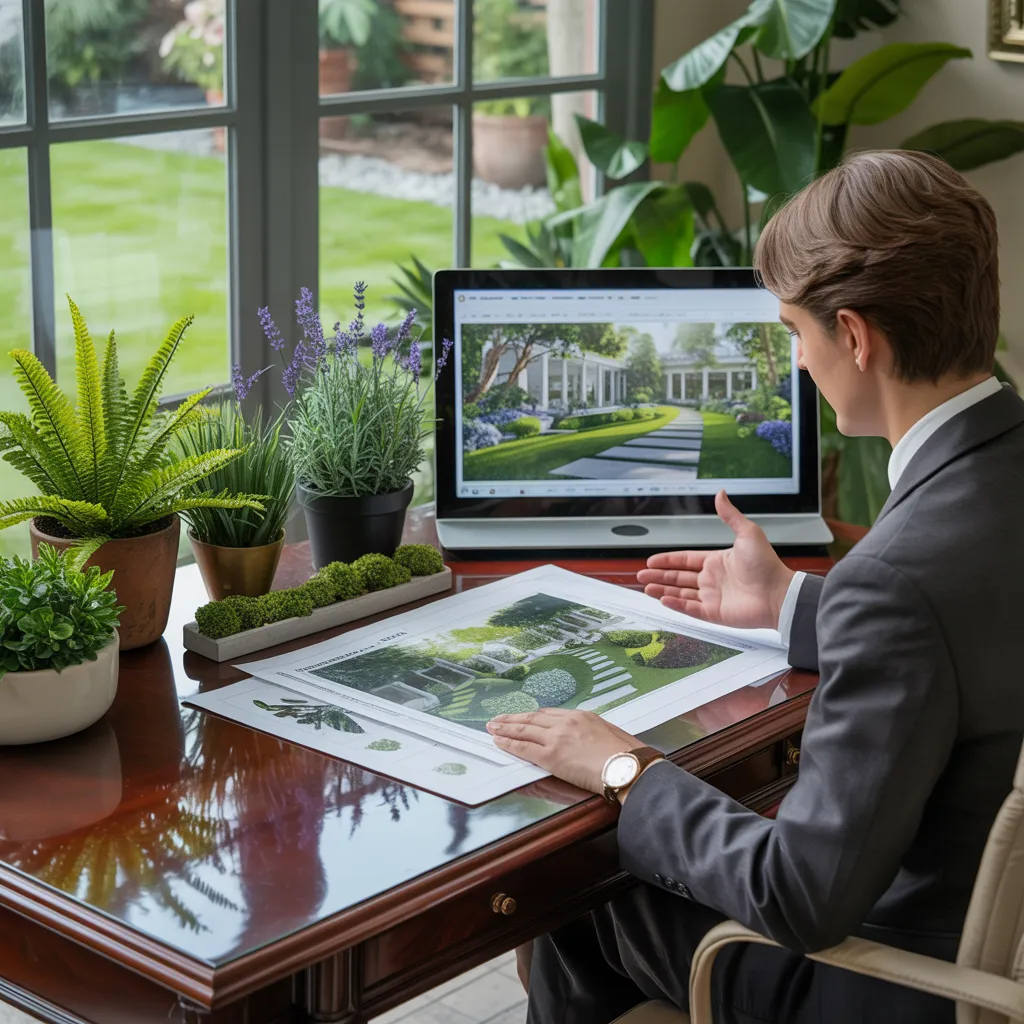
Before commencing any landscaping project, it is critical for homeowners to completely assess their outdoor space. This initial evaluation allows them to understand the distinctive characteristics of their property, encompassing sun conditions, soil composition, and current plants. Identifying these elements supports in determining which kinds of design elements can be successfully integrated into the area.
Homeowners should record measurements and note any barriers including vegetation, fences, or walkways that could affect the design. Moreover, understanding individual tastes and lifestyle needs—including areas for entertainment, growing plants, or relaxation—can direct the landscaping goals. By clearly defining these goals, property owners establish a solid foundation for a cohesive and functional exterior space. This careful evaluation results in a more successful and satisfying garden renovation, ensuring that the exterior environment not just improves the property's appearance but also satisfies the practical needs of its inhabitants.
Select the Best Plants for Your Local Climate
Picking the right plants for a specific climate is vital for establishing a flourishing exterior environment. Comprehending regional climate conditions, such as temperature ranges, rainfall, and moisture levels, enables property owners choose plants that will flourish. Indigenous vegetation often adapt best, needing less upkeep and irrigation. As an instance, drought-resistant varieties are perfect for arid regions, while moisture-loving species flourish in moisture-rich environments.
Gardeners should also take into account climate variations; choosing plants that provide year-round interest improves the landscape. Spring-flowering plants, summer perennials, and vibrant fall foliage can create a striking visual display. Furthermore, consulting neighborhood nurseries or agricultural resources can offer valuable insights into durable vegetation suited to specific conditions.
Eventually, a well-planned vegetation arrangement not just enhances visual appeal but additionally promotes native fauna and supports ecological health, which makes it a smart decision for every outdoor space transformation.
Enhance Your Garden With Functional Hardscaping Elements
Functional hardscaping elements prove vital in creating exterior layouts and enhancing their usability. By incorporating seating areas and expertly planned walkways, homeowners can create charming outdoor spaces that encourage relaxation and movement. Additionally, edging can separate different zones within the garden, adding structure and visual interest.
Create Your Garden Space
Creating a strategically designed outdoor space can reimagine a yard into a welcoming retreat. One effective technique to achieve this is through practical hardscape features, which create organization and visual order. Walkways made from brick or stone guide guests while creating visual appeal. Support walls can form layered heights, enhancing the garden's overall design and preventing soil loss. Fencing or trellises can delineate borders, ensuring seclusion and a feeling of containment. Adding elevated planting areas not only establishes growing zones but also makes them more accessible. These elements work together to establish separate areas that improve both visual appeal and practicality. Ultimately, a clearly structured outdoor space creates a peaceful setting where homeowners can relax and enjoy nature.
Incorporate Seating Areas
Incorporating sitting zones into an exterior environment greatly improves its functionality and attractiveness. By integrating functional hardscaping elements, homeowners can create inviting spots for rest, gathering, or appreciating the outdoors. Options include benches, patio sets, or hammocks, each adding to the landscape's visual appeal and comfort. Strategically placing seating near key areas like garden displays or fountains, encourages users to engage with their environment. Additionally, selecting materials such as wood or stone can match the landscape's style, maintaining visual unity. Shade structures, such as arbors or parasols, provide comfort during warmer months, making these areas usable year-round. Ultimately, expertly crafted sitting zones transform an ordinary garden into a welcoming retreat for family and friends.
Design Pathways And Borders
Walkways and borders serve as essential features in garden development, moving guests around the garden while boosting its design quality. These produce direction and arrangement, enabling the definition of multiple zones and vegetation types. Stone, brick, or gravel selections can create durable routes, and borders made with landscaping or decorative screens boost attractiveness. Exploration is promoted through walkways, which highlight areas like garden displays or fountain features. Properly maintained borders stop weed encroachment and ground deterioration, promoting garden wellness. Adding pathways and borders increases practicality and improves stylistic charm in your exterior environment, rendering environments more appealing and enjoyable.
Build Movement Using Pathways and Seating Arrangements
A thoughtfully designed exterior area regularly showcases a cohesive circulation created through strategically arranged pathways and rest areas. Pathways lead people throughout the garden, developing a strong sense of navigation while improving the aesthetic appeal. Applying selections including gravel, stone, or wood can improve the path's beauty and support durability.
Seating zones supply stopping places, welcoming people to rest and savor the setting. Placing seating thoughtfully near key features, such as a pond or a garden bed, inspires connection with the landscape. The type of seating—stools, benches, or even recliners—may shape the feeling, whether it be informal or elegant.
Incorporating both pathways and seating fosters an inviting environment, enhancing usability and enjoyment. Together, they create a seamless shift between different areas of the garden, promoting exploration and relaxation, ultimately transforming any outdoor space into a tranquil retreat.
Enrich Your Outdoor Space With Seasonal Shades and Character
To enhance the visual appeal of a garden, careful selection of seasonal plants is essential. Layering different textures can add depth and interest, while strategically placed focal points can draw the eye and create a cohesive design. These elements together guarantee a vibrant and dynamic outdoor space throughout the year.
Decide on Season-Specific Plants Wisely
Selecting plants that bloom seasonally wisely can transform any garden into a vibrant tapestry of color and texture. By choosing plants that bloom at different times throughout the year, gardeners can guarantee a continuous display of beauty. Spring bulbs, summer annuals, autumn perennials, and winter evergreens each contribute unique hues and forms to the landscape. It is essential to take into account local climate conditions and soil types, as well as the plants' growth habits. Indigenous plants often thrive better and require less maintenance, boosting ecological diversity. Additionally, combining plants with varying heights and bloom times can create a dynamic visual effect. Ultimately, thoughtful selection fosters a garden that evolves with the seasons, offering a delightful experience year-round.
Build Textural Interest To Add Depth
Establishing depth in a garden involves combining textures that accent and improve seasonal shades. By integrating diverse plant species with different leaf patterns, heights, and color schemes, one can achieve a visually dynamic landscape. For instance, the use of broad-leaved plants alongside fine-textured grasses can create contrast and intrigue. Additionally, integrating bark, stones, and other natural materials introduces tactile elements that enrich the overall experience. Flowering displays should be carefully arranged to provide bursts of color throughout the year, ensuring that each layer remains visually interesting. This thoughtful arrangement not only draws the eye across the garden but also develops an absorbing environment where each element reinforces the garden's beauty and equilibrium.
Use Design Anchors Strategically
Deliberately placing focal points can markedly enhance a garden's aesthetic appeal and seasonal vibrancy. These focal points serve as anchors that draw the eye and create a cohesive design. Gardeners can employ features like art pieces, specimen trees, or brilliant plantings to introduce visual interest. Blooming displays can be integrated by means of the careful selection of plants that bloom at different times ensuring that the garden remains dynamic throughout the year. Textural contrasts also prove essential; combining smooth stone paths with rough bark or lush foliage introduces layering. By thoughtfully placing these elements, a gardener can create an inviting atmosphere that encourages exploration and appreciation, transforming an outdoor space into an engaging retreat.
Embrace Sustainable Methods to Establish a Flourishing Garden
Adopting green practices is imperative for nurturing a vibrant garden that grows strong in sync with the ecosystem. Gardeners are recommended to use local plant species, which necessitate less water and upkeep while supporting regional wildlife. Implementing chemical-free gardening approaches, like nutrient enrichment and organic pest solutions, can considerably reduce pesticide use, creating a healthier natural system.
Water-efficient approaches, such as targeted watering systems and water collection systems, improve sustainability by optimizing resource use. Mulch application not only preserves moisture but also reduces weeds, minimizing the need for herbicides. Furthermore, encouraging plant variety by incorporating varied vegetation fosters resistance against pests along with diseases.
Soil condition is essential; methods including crop rotation and cover cropping keep nutrient levels minus artificial nutrients. By utilizing such eco-friendly strategies, gardeners can create an excellent garden that nurtures both plants and the natural world, producing a more rewarding gardening pleasure.
Address Typical Problems to Sustain Year-Round Garden Aesthetics
A carefully-tended area can experience many obstacles across seasons, altering its overall beauty plus vigor. Standard difficulties consist of pest outbreaks, insufficient nutrients, along with insufficient water. Identifying pests promptly is vital; plant growers should routinely inspect vegetation for signs of damage as well as handle infestations applying chemical-free pesticides or adding helpful insects.
Lacking minerals often manifest as yellow foliage and reduced growth. Doing soil tests can allow determine distinct necessities, making possible to enable precise fertilization Nutrient deficiencies typically appear as discolored leaves along with stunted growth. Doing soil copyrightinations can enable identify distinct necessities, making possible strategic fertilization returning equilibrium. Also, securing appropriate watering is crucial; too much water can lead to rotted roots, while underwatering stresses expert guide plants.
Weather transitions furthermore necessitate adjustments in upkeep. Throughout winter, applying mulch guards plant roots from cold, whereas summer months could demand additional water plus shaded areas to protect tender plants. By handling these frequent challenges promptly
Is it Better to Do Landscape Projects Myself or Engage a Landscaper?
Certainly, you can undertake landscape designs independently, tapping into online resources and innovation. Nonetheless, engaging an expert delivers knowledge, effectiveness, and potentially superior results, particularly for complex designs or substantial jobs requiring advanced techniques.
What Implements Do You Require for Residential Landscaping?
Important items for yard landscaping include a leaf rake, garden shovel, garden spade, trimming shears, fork, and a irrigation hose or water can. These tools help productively maintain dirt, garden plants, and complete garden maintenance, providing quality landscaping.
What Methods Should I Implement to Keep My Landscape Across the Calendar Year?
To keep a landscape thriving across the seasons, consistently cut back greenery, use wood mulch for temperature control, watch hydration levels, and apply seasonal planting strategies. Moreover, pest control and nutrient application are essential for vibrant, healthy growth.